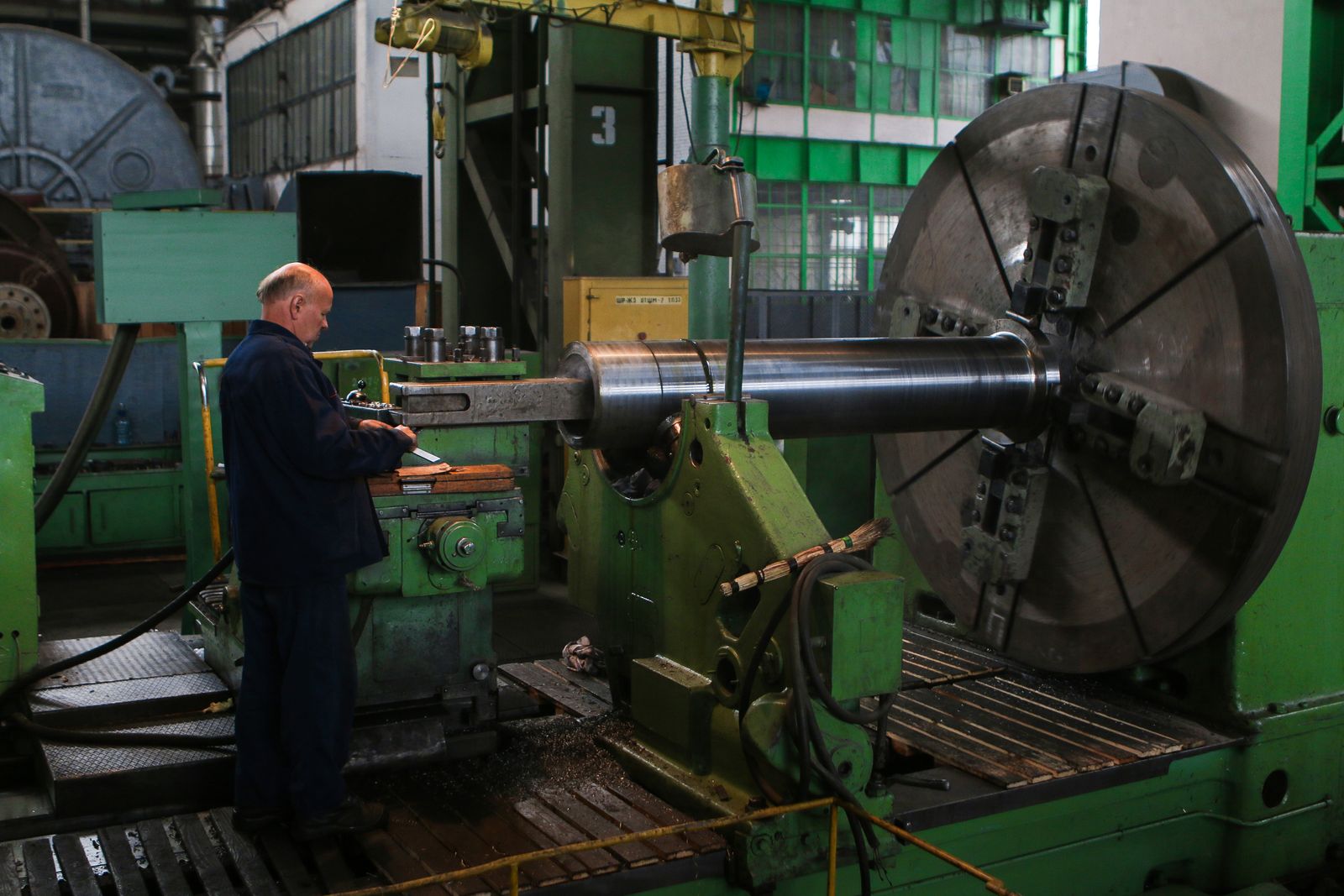
An extraction system can look substantial while its performance depends on details that are easy to overlook: the source position, the way materials are handled and how the operator moves through the task.
Know what the system was designed to do
Start with the contaminant, the release mechanism, the tasks and the intended protective function. HSE's local exhaust ventilation resources provide guidance for controlling airborne contaminants using capture at source. [1]
Do not infer adequacy from a motor running, a grille in the room or a previous inspection sticker alone. Each observation answers a narrower question than whether exposure is controlled during this task.
Observe normal variation
Look at container sizes, operator position, process rate and the actions used when equipment is cleaned. Ask whether the emission source remains in the location assumed by the design.
A hypothetical booth may be used successfully for one handling method but obstructed by a larger drum. That is a reason to revisit the intended use and assessment, not to declare all booths ineffective.
Use competent verification
Match the examination or test to the design basis and applicable requirements. Relevant evidence can include condition, performance measurements and exposure assessment; the appropriate combination is a technical judgement.
This article supplies questions, not engineering acceptance criteria. It does not prescribe a universal capture velocity, recirculation arrangement or inspection interval.
Keep changes under review
Record the changes that should prompt reassessment, such as a new substance, increased throughput or a moved workstation. Ensure users know how to recognise and report loss of performance.
Place ventilation within the broader control strategy. NIOSH's hierarchy is a reminder to consider prevention at source and not focus exclusively on one installed device. [2]
Sources & context
- HSE: Local exhaust ventilation Health and Safety Executive · Great Britain
- NIOSH: Hierarchy of Controls CDC / NIOSH · United States
Source-linked editorial material, prepared 2026-09-05; updated 2026-09-05. Prepared with AI assistance. Not independently peer-reviewed. Sources and legal requirements can change. The linked organisations do not endorse this publication. Our editorial approach.
What would you add?
What operational change has most often undermined an otherwise useful extraction system?
Connecting to the discussion...