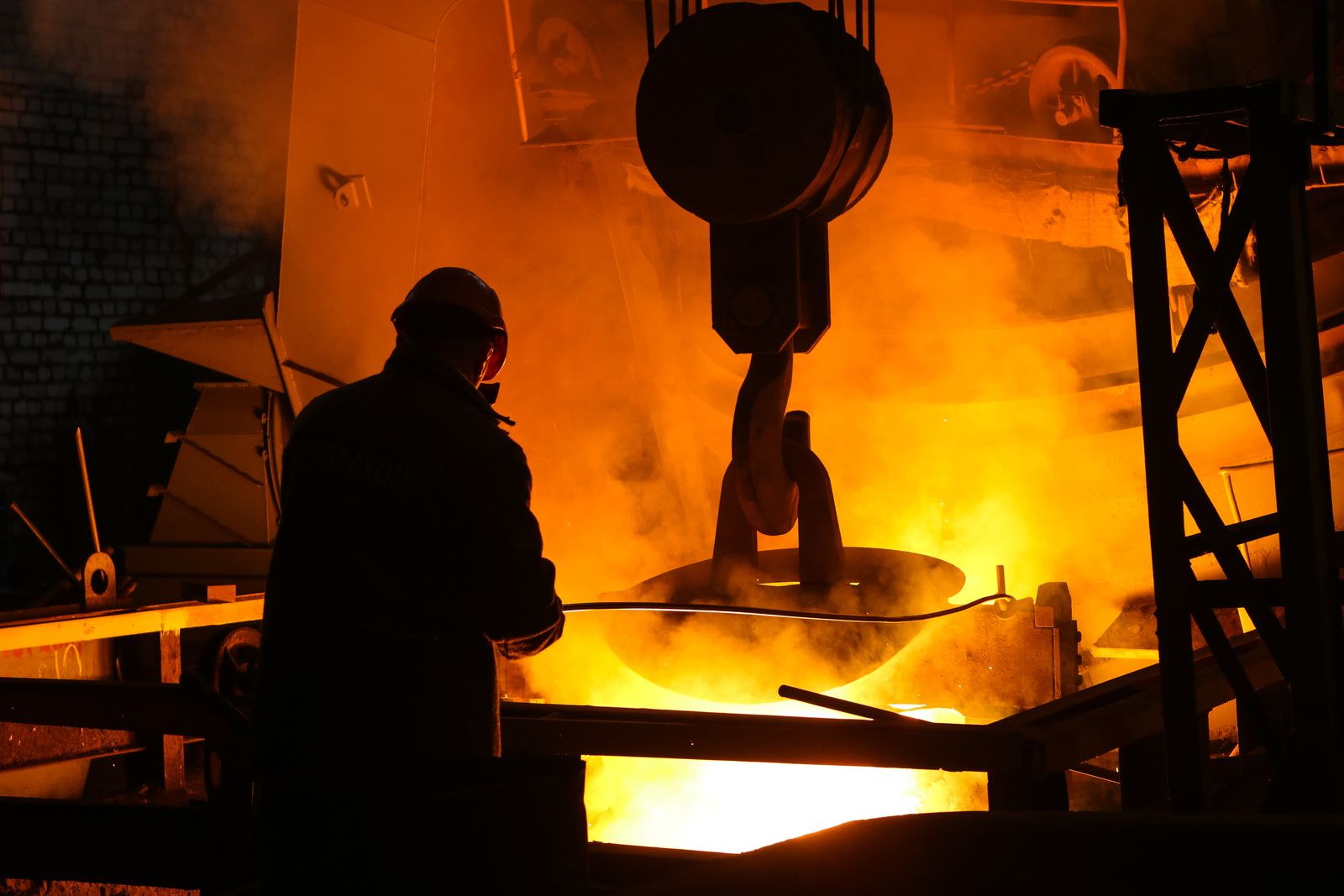
A forecast is useful for preparation, but it is not a complete assessment of the thermal demands of a job. Two people at the same location can experience very different conditions because of their work, clothing and opportunities for recovery.
Use the task as the starting point
NIOSH describes occupational heat stress as involving environmental conditions, metabolic heat and clothing or protective equipment. It also points to personal and work-related factors that influence risk. [1]
List the actual tasks, time spent in each environment, physical demands and protective clothing. Include indoor sources of radiant heat, enclosed locations and work that cannot be paused easily. Do not assume that being out of direct sun settles the question.
Ask how recovery works in practice
A written break schedule is not the same as accessible recovery. Consider travel time to a rest area, supervision, workload targets and whether somebody can hand a task over. Confirm how workers can raise concerns without being pressured to continue.
This is particularly important when planning a job that involves temporary workers, unfamiliar equipment or an unusual production demand. The planning question is whether the protective arrangements remain practical under those conditions.
Choose a suitable assessment method
Different heat indices and assessment methods have different purposes and assumptions. This article does not prescribe a universal temperature trigger or work-rest ratio. Select an appropriate method with competent support, and verify the local legal and regulatory requirements.
An assessment should state the measurement conditions and assumptions, not present a single number without context.
Plan escalation before the hot shift
Define supervision, communication and the response when somebody becomes unwell. Medical emergencies require local emergency arrangements, not a discussion-board response.
After the work, review what was difficult to implement. A useful plan evolves with the task and the experience of the people doing it rather than being filed until the next hot-weather alert.
Sources & context
- NIOSH: Heat Stress and Workers CDC / NIOSH · United States
Source-linked editorial material, prepared 2026-09-05; updated 2026-09-05. Prepared with AI assistance. Not independently peer-reviewed. Sources and legal requirements can change. The linked organisations do not endorse this publication. Our editorial approach.
What would you add?
Which operational change has made heat controls easier to use in your workplace?
Connecting to the discussion...